In today’s fast-paced industrial and infrastructure landscape, uninterrupted power supply is essential for maintaining productivity, safety, and operational efficiency. This is especially true for organisations that rely on Compact Packaged Substation maintenance to ensure reliable power distribution. These pre-assembled, factory-built substations merge the core components of an electrical power distribution system such as transformers, switchgear, protection devices, and control panels into a single, compact unit that’s ideal for space-constrained sites and critical applications.
While compact design and quick installation are major advantages, the long-term performance of these systems critically depends on regular, well-planned maintenance. Proper maintenance not only reduces the risk of unplanned downtime and costly outages it also ensures safety, compliance, and longevity of the substation assets. In this blog, we explore how proactive maintenance practices keep operations running smoothly, what stakeholders should look for in maintenance and services, and why partnering with a reputable provider like Sudhir power makes all the difference.
Why Maintenance Matters for Compact Packaged Substations
Compact substations are engineered for durability and minimal intervention, but even the most robust systems benefit from regular checks and servicing. When maintenance is ignored or delayed, the likelihood of equipment failure increases bringing critical processes to a halt. Regular maintenance helps ensure that protective relays, transformers, insulating components, circuit breakers, and all associated electrical gear continue to perform at optimum levels.
Downtime in industrial, commercial, or infrastructure environments doesn’t just slow processes — it can lead to missed deadlines, safety incidents, and revenue loss. Reducing downtime through systematic maintenance ensures your substation supports reliable and sustained operations.
Key Components of Effective Maintenance
Understanding what needs to be monitored, tested, and serviced is the first step in developing a dependable maintenance strategy. For compact packaged substations, here are the primary areas that require attention:
- Routine Visual Inspection & Cleaning
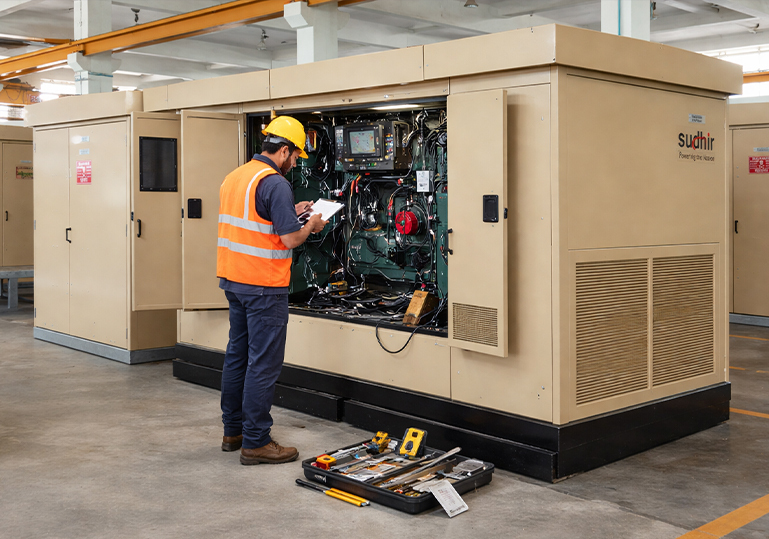
Regular on-site inspections are fundamental. Maintenance teams should conduct visual checks to detect dust accumulation, signs of moisture ingress, rust, loose connections, or physical damage. Ensuring that equipment compartments including transformer housings and switchgear panels are clean and free of debris improves both safety and performance.
- Electrical and Functional Testing
Regular electrical tests help identify issues such as insulation degradation, faulty connections, or potential equipment failure before they cause problems. Common tests include insulation resistance measurement, dielectric strength verification, and functional tests for relays and protective devices.
- Thermal Inspection
Thermographic scanning is an invaluable tool that allows technicians to detect hotspots — areas of excessive heat that often indicate loose connections or impending failures. Correcting these issues early can prevent costly breakdowns and extend the life of the equipment.
- Mechanical Component Check
Although compact packaged substations are enclosed and low-maintenance by design, some mechanical parts still benefit from periodic inspection and service. Hinges, latches, cooling fans, and temperature control systems should be checked to ensure they function properly and maintain environmental stability inside the enclosure.
- Grounding and Safety Testing
One of the most critical aspects of maintenance is verifying that grounding systems are intact and effective. Proper grounding prevents dangerous voltage build-up and ensures safe operation under fault conditions. Safety tests also include verifying alarms, emergency shutdown mechanisms, and interlocks.
Scheduled Maintenance vs Reactive Maintenance
When planning Compact Packaged Substation maintenance, it’s important to distinguish between scheduled (preventive) maintenance and reactive (corrective) maintenance:
Preventive Maintenance:
This involves routine inspections, testing, and servicing at regular intervals typically semi-annually or annually depending on the operating environment and load conditions. Proactive preventive maintenance helps catch small issues before they escalate into major failures.
Corrective Maintenance:
This occurs after an issue is detected either through routine checks or due to an unexpected fault. Reactive maintenance is crucial for addressing immediate problems but should be minimised through regular preventive care.
A hybrid approach that combines systematic preventive maintenance with quick corrective action ensures that downtime is minimised while operational readiness is maximised.
Who Should Look After Maintenance and Services?
Maintaining a compact packaged substation requires a blend of technical expertise and experience. Look for service providers who offer:
- Comprehensive maintenance contracts that include routine inspections, testing, and calibration.
- Condition monitoring tools such as thermography, vibration analysis, and electrical performance tracking.
- Qualified engineers and technicians trained to handle medium voltage and low voltage equipment safely.
- Emergency response services including rapid troubleshooting and repairs to keep operations running.
- Documentation and reporting that records maintenance history for compliance and forecasting future service needs.
Partnering with an experienced after-sales and support team ensures that substation assets remain reliable and efficient throughout their lifespan. Learn more about Sudhir Power’s dedicated support and maintenance services through their after-sales support offerings.
When to Contact Support
Should any maintenance issue arise whether routine or emergency having clear contact channels is essential for rapid resolution. For assistance with packaged substation maintenance and related services, you can reach out directly:
CALL REGISTRATION
📞 0124-4275851/52/53
ESCALATION LEVEL 1
📞 9205180994
📧 sudhircare@sudhirpower.com
ESCALATION LEVEL 2
📞 9871657892
📧 sanjayjoshi@sudhirpower.com
ESCALATION LEVEL 3
📞 9599294801
📧 birendrashukla@sudhirpower.com
Having these contacts ensures that your operations can quickly access technical support and expert care when it matters most.
Best Practices to Reduce Downtime
To maximise uptime and performance of compact packaged substations:
- Implement a maintenance schedule based on manufacturer recommendations and operating conditions.
- Use condition monitoring tools to detect early signs of wear or failure.
- Keep maintenance records for reference and planning.
- Ensure that personnel are trained in safety protocols and aware of electrical hazards.
- Partner with a service provider who offers 24/7 technical support and responsive troubleshooting.
By adopting proactive maintenance strategies and working with experienced professionals, organisations can significantly reduce downtime and extend the life of their power distribution assets.
FAQs About Compact Packaged Substation Maintenance
What does Compact Packaged Substation maintenance involve?
It includes routine inspections, electrical and thermal testing, cleaning, grounding checks, mechanical inspections, and scheduled servicing to ensure reliable power distribution and prevent unscheduled downtime.
How often should packaged substations be maintained?
Maintenance schedules vary, but preventive maintenance is typically conducted semi-annually or annually depending on environmental conditions and load demands.
Why is thermal inspection important?
Thermal inspection identifies hotspots and potential electrical faults early, enabling corrective actions before failures occur, which helps reduce downtime and prevent equipment damage.
Can regular maintenance extend the life of equipment?
Yes. Regular maintenance helps detect issues early, keeps components operating efficiently, and prolongs the useful life of transformers, switchgear, and protective devices.
Who should perform packaged substation maintenance?
Maintenance should be carried out by trained technicians or a professional service provider with expertise in electrical systems, safety protocols, and condition monitoring tools.