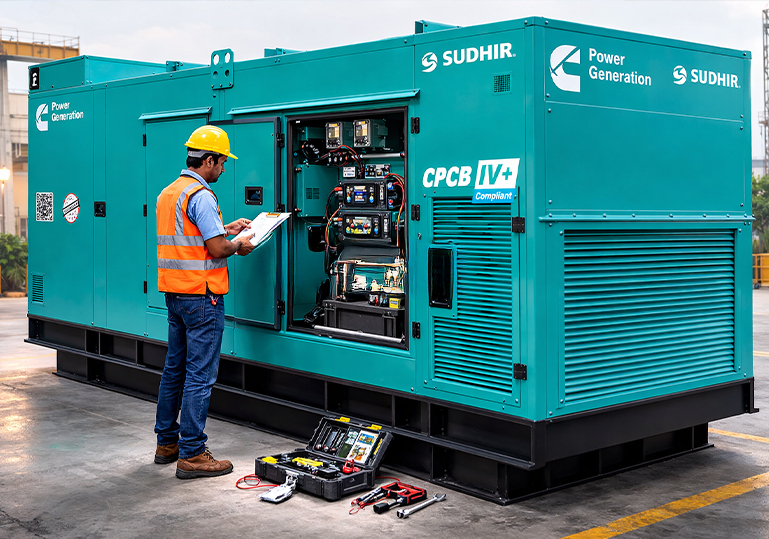
Diesel generator sets or gensets are vital for maintaining uninterrupted power in industrial facilities, commercial buildings, hospitals, construction sites, data centres, and more. Despite being robust machines, they do require periodic maintenance, timely servicing, and occasional repairs to perform at their best when needed most. Understanding Genset Repair and Service basics can help operators minimise downtime, extend the life of their equipment, and avoid unexpected breakdowns. With reliable after-sales support like that offered by Sudhir power, owners can ensure their gensets remain dependable and efficient throughout their service life.
Why Genset Repair and Service Matter
Diesel gensets are made up of many mechanical and electrical components including the engine, alternator, fuel system, cooling system, battery, and control panel. Over time, wear and tear, environmental stresses, fuel quality issues, and improper maintenance can cause common faults. Scheduled servicing and prompt repairs help prevent small issues from becoming serious failures that can cost significant time and money to fix.
Scheduled servicing also ensures gensets comply with emission and noise standards such as CPCB II or IV+ norms as applied in India, and prolongs the reliability of the unit during extended running hours especially in backup or remote power applications.
Common Genset Issues and Their Quick Solutions
Here are some frequently observed problems in diesel gensets and ways to address them effectively:
- Genset Won’t Start
The most common complaint owners encounter is a genset that refuses to start when called upon. This usually stems from:
- Dead or weak battery: Batteries can lose charge over time or fail due to corrosion or improper maintenance.
- Faulty connections: Loose battery cables, corroded terminals, or poor grounding can prevent the electrical circuit from completing.
Quick Solution:
Check and charge the battery, tighten or clean connections, and verify correct polarity. If the battery is old or unable to hold charge, replace it promptly. Regular battery health checks should be part of scheduled servicing.
- Low Power Output
If your genset is running but delivering less power than expected, possible causes include:
- Clogged fuel filters or poor fuel quality
- Alternator issues
- Incorrect load matching
Quick Solution:
Replace fuel filters, drain old or contaminated fuel, and check the alternator for proper output. Ensuring the load does not exceed the genset’s rated capacity helps maintain performance.
- Overheating During Operation
Running a generator for extended periods or in high ambient temperatures can cause overheating. Causes may include:
- Low coolant levels
- Faulty thermostat
- Blocked or dirty radiator
Quick Solution:
Top up coolant with the correct mix, clean the radiator, ensure unobstructed airflow, and check system fans. Machine servicing includes verifying and replacing worn parts to maintain thermal control.
- Excessive Smoke From Exhaust
Excessive smoke can indicate combustion problems. Black smoke often signals too much fuel or inadequate air supply, while white smoke suggests incomplete combustion or coolant entering the combustion chamber.
Quick Solution:
Check and service the air filters, inspect the fuel injection system, ensure correct fuel quality and address head gasket or cooling system problems as needed. A trained technician can diagnose combustion-related issues precisely during service inspections.
- Fuel System Problems
Diesel engines rely on clean, quality fuel. Water contamination, stale fuel, or debris clogs can affect performance and reliability.
Quick Solution:
Regularly drain water separators, replace fuel filters, and ensure fuel storage hygiene. Yearly inspection and cleaning of the fuel system are recommended as part of preventive service.
- Control Panel Errors
Modern gensets often include digital control panels that monitor engine status, voltage, frequency, and alarms. Faulty control units, sensor errors, or calibration drift can cause false warnings or faulty operation.
Quick Solution:
Restart the system after reviewing error codes, check sensor connections, or update firmware where applicable. If in doubt, a certified technician should test and recalibrate the controller.
Preventive Maintenance: The Key to Longevity
Routine maintenance is the best defence against unexpected breakdowns. A structured genset service plan typically includes:
- Oil and filter changes
- Coolant system checks
- Battery condition testing
- Fuel system cleaning
- Exhaust and emission checks
- Alternator and electrical testing
Preventive servicing not only improves reliability but also reduces the overall cost of ownership by catching issues early and ensuring the generator is always ready to run when required. Seasonal checks especially before heavy summer or monsoon usage are recommended for gensets working in extreme weather conditions.
Expert Support and After-Sales Assistance
When complex repairs or urgent service needs arise, it’s essential to have reliable support from trained professionals. Sudhir Power’s after-sales team offers structured assistance through dedicated contact points to ensure timely action and escalation when required:
GENSETS – CALL REGISTRATION:
📞 0124-4275851/52/53
ESCALATION LEVEL 1:
📞 9205180994
📧 sudhircare@sudhirpower.com
ESCALATION LEVEL 2:
📞 9871657892
📧 sanjayjoshi@sudhirpower.com
ESCALATION LEVEL 3:
📞 9599294801
📧 birendrashukla@sudhirpower.com
This structured escalation path ensures that genset owners can communicate issues effectively, receive quick responses, and escalate unresolved concerns to higher technical support levels if needed. Technicians are trained to diagnose faults, perform onsite repairs, and recommend preventive measures to keep gensets running smoothly.
Choosing the Right Service — In-House vs Outsourced
Deciding whether to handle genset servicing with internal staff or outsource to specialists depends on your facility’s size, load complexity, and criticality of power backup. Outsourcing to a dedicated service provider like Sudhir Power ensures:
- Access to certified technicians
- Use of genuine parts and tools
- Compliance with safety and emission standards
- Faster turnaround during emergencies
For businesses where genset reliability is mission-critical, outsourcing service and repair to qualified professionals is often the most cost-effective and risk-averse choice.
Conclusion
Understanding Genset Repair and Service fundamentals empowers owners to proactively manage their power backup assets. Regular maintenance, timely repairs, and professional support protect your genset against common issues like startup failures, low output, overheating, fuel system problems, or control panel faults.
Whether you’re managing a single standby generator or a fleet of industrial gensets, preventive servicing and access to reliable technical support ensure your equipment delivers dependable power when it matters most. With structured service support and escalation provided by seasoned professionals from Sudhir Power, genset upkeep becomes a manageable, proactive process rather than a reactive emergency.
Frequently Asked Questions
How often should a genset be serviced?
Generators should typically be serviced at least every 6 months or after a specified running hour interval (e.g., every 250–500 hours) depending on usage intensity and manufacturer guidelines.
Why is oil change important in genset maintenance?
Regular oil changes remove contaminants and ensure engine lubrication, reducing wear, preventing overheating, and extending engine life.
What causes gensets not to start?
Common causes include dead or weak batteries, poor battery connections, and fuel problems. Regular checks before outages can prevent start-up failures.
Can I repair my genset myself?
Minor inspections like battery checks are okay, but major repairs, diagnostics, and electrical system servicing should be done by trained technicians for safety and accuracy.
What is the role of preventive maintenance?
Preventive maintenance identifies issues before they become serious failures, improves reliability, enhances performance, and reduces long-term repair costs.