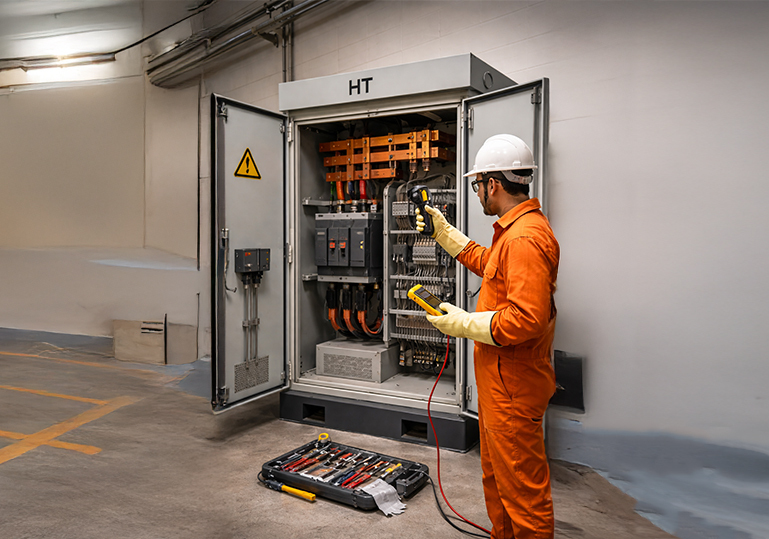
In industrial facilities, HT Panels maintenance is not merely an optional add-on it’s a critical requirement for safety, efficiency, and uninterrupted productivity. High Tension (HT) panels are the powerhouse of electrical distribution systems in factories, power plants, and large commercial facilities. They manage, distribute, and protect high-voltage power supply that energizes machines, control systems, and critical processes. Neglecting regular maintenance can lead to catastrophic breakdowns, unplanned downtime, safety hazards, and costly repairs. To ensure these panels continue to function reliably, regular servicing, inspection, and upkeep must be prioritised and professional support must be readily available when needed. Sudhir power offers expert services and after-sales support to help industrial facilities stay on top of their HT panel maintenance and keep operations running smoothly. For assistance or service registrations, call 0124-4275851/52/53 or reach out via email at serviceadvisor@sudhirpower.com for prompt support.
Understanding the Critical Role of HT Panels
HT panels are designed to handle incoming high-voltage power (often above 11 kV) from utility grids or onsite generation systems and distribute it safely and efficiently across various subsystems within an industrial plant. They house essential components such as circuit breakers, busbars, protective relays, isolators, and metering instruments that control and regulate power distribution. Their performance directly impacts the reliability and safety of the entire electrical system. Without proper maintenance, these panels can become susceptible to faults like loose connections, insulation breakdown, or component wear, which can escalate into serious failures.
Why Prompt HT Panels Maintenance Is Essential
- Prevents Costly Breakdowns and Downtime
Routine HT panels maintenance helps identify and rectify issues before they escalate into major failures. Loose connections, dust accumulation, moisture ingress, or worn-out contacts can lead to arcing, overheating, or sudden faults that interrupt power flow. Unplanned breakdowns halt production lines, delay deadlines, and incur heavy financial losses making preventive care a strategic priority.
- Ensures Safety for Personnel and Property
High-voltage systems pose inherent risks to maintenance personnel and surrounding equipment. Regular inspections ensure that protective devices such as circuit breakers, earth fault relays, and isolators are responding correctly. Thermal imaging and electrical checks can detect hotspots or worn components before they cause fires, short circuits, or electric shocks protecting both human life and valuable assets.
- Enhances Operational Efficiency and Equipment Lifespan
HT panels that are well-maintained operate more efficiently with balanced load distribution, reduced energy loss, and consistent voltage regulation. By keeping systems clean, calibrated and within design parameters, facilities avoid energy waste and reduce wear on downstream equipment. Regular maintenance can also extend the useful life of panels and connected machinery — a significant cost-saving over time.
- Meets Compliance and Insurance Requirements
Industrial facilities must adhere to stringent safety standards and regulatory compliance guidelines. Scheduled maintenance documentation not only helps in internal audits but also satisfies insurance requirements and regulatory inspections. Avoiding maintenance could expose facilities to penalties, failed audits, or denied insurance claims following incidents.
- Improves Reliability During Peak Operations
High-intensity operations, seasonal load increases, or environmental stresses such as humidity and heat can strain HT systems. Facilities cannot afford interruptions during peak shifts. Regular maintenance ensures HT panels are prepared for increased loads and that protective devices are responsive and reliable.
What HT Panels Maintenance Involves
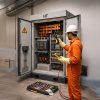
Effective HT panels maintenance includes a range of preventive and corrective actions carried out by qualified electrical professionals. These services can include:
- Visual Inspections & Cleaning: Removing dust, dirt, and contaminants that can affect performance or cause insulation failures.
- Tightening Electrical Connections: Loose contact points can cause excessive heat and potential faults.
- Thermal Imaging & Hotspot Detection: Infrared scanning helps detect abnormal heat patterns that may indicate underlying faults.
- Insulation Resistance Tests: Measuring insulation health to prevent breakdowns or leakage.
- Relay Testing & Calibration: Ensuring protective relays and tripping mechanisms work accurately.
- Load Balancing & System Health Checks: Assessing load distributions and detecting imbalances that could impair performance.
These tasks are typically part of preventive maintenance schedules and help maintain the peak performance of HT panels.
Making HT Panels Maintenance Easy and Reliable
Industrial facilities often outsource detailed HT Panels maintenance to expert service providers who understand high-voltage systems and safety protocols. Professional companies not only perform scheduled servicing, but also offer Emergency Response and escalation support when urgent issues arise. For help with HT panel maintenance and technical support, you can use the following contact numbers and escalation options provided by Sudhir Power:
- CALL REGISTRATION: 0124-4275851/52/53
- ESCALATION LEVEL 1: 7428761406 | serviceadvisor@sudhirpower.com
- ESCALATION LEVEL 2: 9319981890 | ankitthoryea@sudhirpower.com
- ESCALATION LEVEL 3: 9717294615 | nitindang@sudhirpower.com
These contacts are vital for quick support in case of sudden faults, scheduled service reminders, or expert guidance on panel servicing.
Best Practices for Industrial Facilities
To get the most from HT panel maintenance, industrial facilities should:
- Follow a Structured Maintenance Schedule: Include daily visual checks, monthly functional tests, quarterly detailed inspections, and annual overhauls.
- Use Qualified Technicians: Only licensed, trained professionals should work on high-voltage systems.
- Document All Maintenance Activities: Keep detailed records for compliance, trend analysis, and future planning.
- Leverage Predictive Tools: Tools like thermographic imaging and relay testing devices enable early detection of faults before they disrupt operations.
Following these best practices enhances the reliability of HT panels and bolsters overall facility resilience.
Conclusion
In industrial environments where uptime, safety, and compliance are critical, delaying HT panels maintenance is a risk no facility can afford. Regular inspections, preventive servicing, and professional support not only prevent costly breakdowns but also improve safety, efficiency, and regulatory compliance. With expert after-sales support like that provided by Sudhir Power, industrial facilities can stay ahead of electrical challenges and secure uninterrupted operations. Prompt action today prevents major disruptions tomorrow and that’s why HT panel maintenance should never be postponed.
FAQs About HT Panels Maintenance
Why is HT panels maintenance important in industrial facilities?
HT panels manage high-voltage power distribution; regular maintenance prevents faults, reduces downtime, and ensures safety and operational efficiency.
What are common maintenance tasks for HT panels?
Tasks include visual inspections, tightening connections, insulation testing, thermal scanning, relay calibration, and load balance checks.
How often should HT panels be maintained?
Maintenance should be structured with daily visual checks, monthly functional tests, quarterly inspections, and annual comprehensive servicing.
Can HT panel maintenance improve energy efficiency?
Yes well-maintained panels distribute power more efficiently, minimise energy losses, and reduce strain on connected equipment.
Who should perform HT panels maintenance?
Only qualified electrical technicians or engineers with expertise in high-voltage systems should carry out maintenance to ensure safety and compliance.